Flying With a Puppy or Kitten: Age Limits and Vaccination Timing
Most airlines and most countries set a minimum age before a puppy or kitten can fly. Here is how to plan around it.
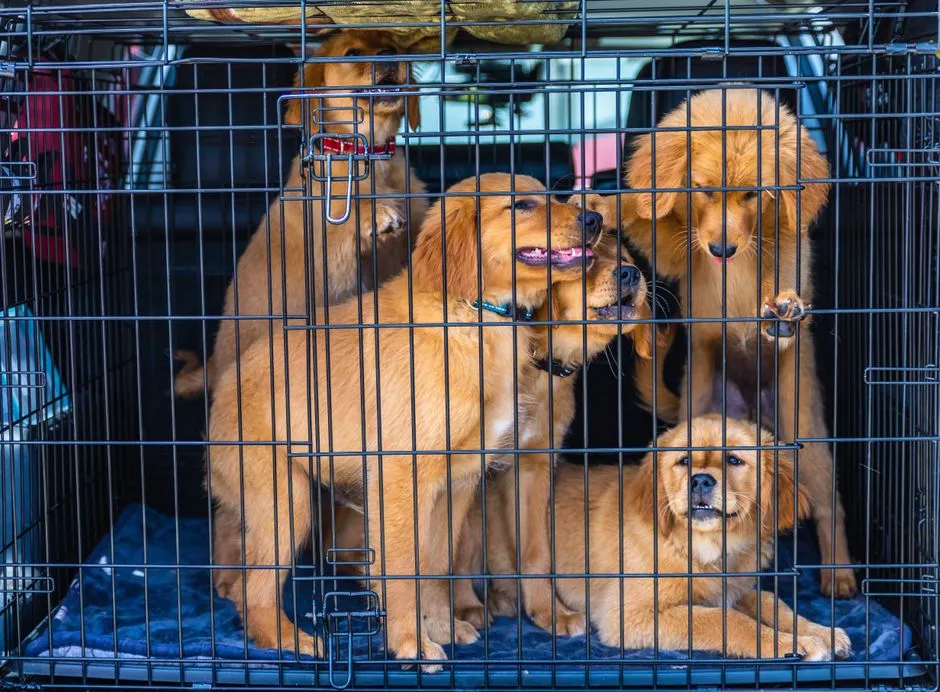
If you are bringing home a new puppy or kitten by air, two clocks are running simultaneously: the airline\'s minimum-age rule and the destination country\'s import age rule. The animal cannot fly until it satisfies both.
Most US-based airlines set a minimum domestic flight age of 8 weeks for in-cabin pets and 10 to 16 weeks for cargo pets. Lufthansa, Air France, and KLM set 12 weeks for in-cabin pets on European itineraries and 16 weeks on intercontinental cargo. Australian biosecurity, US CDC dog-import rules, and most other strict-import jurisdictions require an inbound dog to be at least six months old; this is unrelated to the airline rule and applies even if your airline would accept a younger animal.
The underlying biological reason for these limits is the rabies vaccine schedule. The first rabies vaccine cannot be administered before 12 weeks of age in most veterinary protocols, and most international entry rules require the rabies vaccine to be valid for at least 21 days before travel. That puts the practical earliest international travel age at about 16 weeks, plus any additional time required for a rabies-titer test (which can add another three to six months for travel to Australia, Hong Kong, Japan, or other rabies-titer jurisdictions).
For domestic US travel, an 8- or 10-week-old puppy or kitten can fly in the cabin if the airline accepts the booking and your veterinarian confirms the animal is fit to travel. Bring a copy of the vaccination record showing the first round of distemper and core vaccines. Pack disposable absorbent pads inside the carrier; very young animals do not have full bladder control and a pad will keep the carrier dry through a long flight.
If you are buying a puppy or kitten remotely and shipping the animal to your home, use a USDA-accredited shipper rather than booking the airline yourself. Shippers handle the carrier, the documentation, the airline pet booking, and the airport handoff so that the animal experiences a single coordinated journey rather than a patchwork of unfamiliar people.